Exercise doesn’t have to mean sweaty gym sessions, sore muscles, and endless burpees. For years, we’ve been told that “no pain, no gain” is the only path to better health. But here’s a different story: movement can be gentle, joyful, and still incredibly effective. Welcome to soft fitness and low impact movements—a kinder, smarter approach to exercise that fits every life, every age, and every ability.
Today, we’ll discuss what soft fitness is, why it works, and how to make it part of your day (and actually enjoy it). It doesn’t matter if you’re a busy parent, a beginner, someone with chronic pain, or just tired of punishing workouts, soft fitness could be your new secret tool for lasting health.
What Is Soft Fitness and Low Impact Movements?
Soft fitness is all about gentle movement that honors your body and actually feels good. It doesn’t mean you won’t get stronger or healthier—it just means you do it in a way that’s sustainable and safe.
Low impact movement means at least one foot is always on the ground. These exercises minimize stress on your joints while still delivering great results. Some examples include:
- Walking (outdoors or on a treadmill)
- Stationary cycling
- Swimming
- Water aerobics
- Yoga and chair yoga
- Pilates
- Stretching routines
Soft fitness and low impact movements are not just for older adults or beginners. They’re for anyone who wants to get fit, feel better, and stick with it for life.

Why Choose Low Impact? The Top Benefits
1. Kind to Your Joints
Unlike running or jumping, low impact movement protects your knees, hips, and back. This makes it perfect if you have joint pain, arthritis, are overweight, or coming back from an injury.
2. More Consistent Results
The best workout is the one you’ll actually do. Because soft fitness feels good and isn’t overwhelming, you’re more likely to stick with it long-term. Consistency leads to better results in strength, mood, and mobility.
3. Boosts Your Mood
Gentle exercise helps your body release endorphins (your “happy” chemicals). Studies show that regular movement—like brisk walking or yoga—can reduce anxiety and depression. It also brings down your stress levels and helps you sleep.
4. Builds Functional Strength, Balance, and Flexibility
Low impact workouts don’t just burn calories. They help you move better in daily life—climbing stairs, carrying groceries, or playing with your kids. Classes like tai chi and Pilates improve balance and core strength, which lowers your risk of falls or injuries.
5. Anyone Can Do It
Soft fitness has endless options for every age, size, and fitness level. You don’t need fancy gear. You don’t need to be “fit” to start. You just need to move!
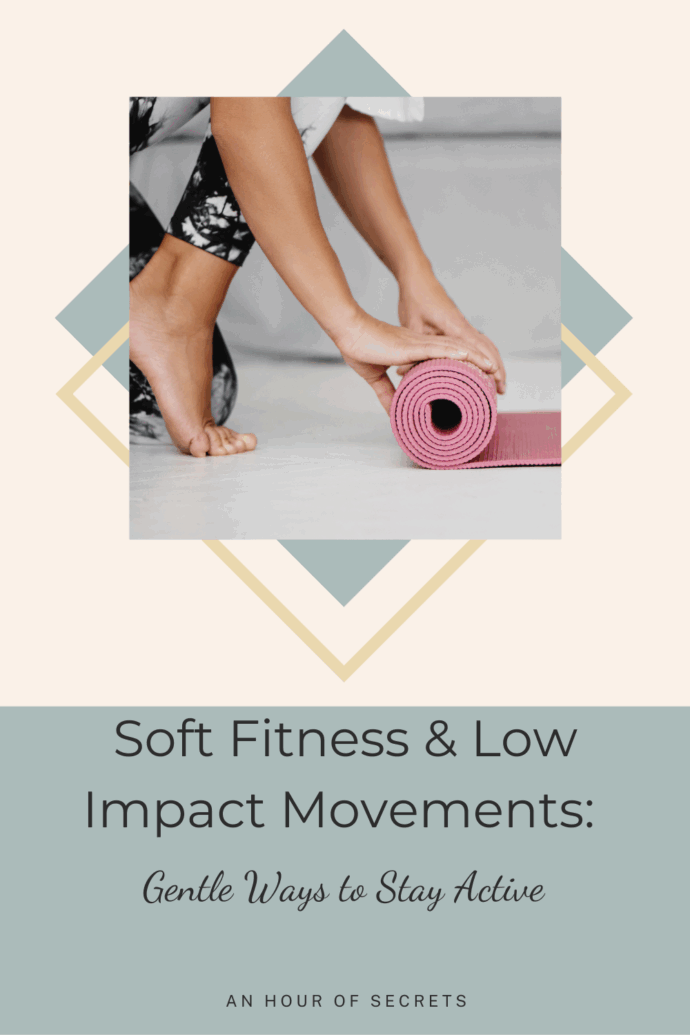
🌸 Pin it now, enjoy it later! ⭐
Common Myths About Soft Fitness and Low Impact Movements:
Myth #1: Low Impact Means Low Results.
Fact: Gentle, regular movement can help with weight loss, muscle gain, and heart health if you stay consistent.
Myth #2: Only “Hard” Workouts Burn Calories.
Fact: Walking, swimming, cycling, and yoga all burn calories—and people often move for longer because they’re enjoyable!
Myth #3: Gentle Exercise Isn’t Challenging.
Fact: You can still work up a sweat and build muscle, but without risk of injury or burnout. Plus, strength and flexibility gains make daily life easier.
Best Low Impact Workouts & How to Do Them
1. Walking
The simplest way to get moving! Start with 10–20 minutes a day and build up. Plus walking outdoors adds a lovely bonus-boosted mood and peace from spending time in nature.
2. Cycling (Stationary or Outdoor)
Great for cardio and leg strength, with almost no joint strain. Try a gentle ride around your neighborhood or a stationary bike at the gym.
3. Swimming & Water Aerobics
Water supports your body, so you can move freely without hurting. Many community pools offer water aerobics or open swim times.
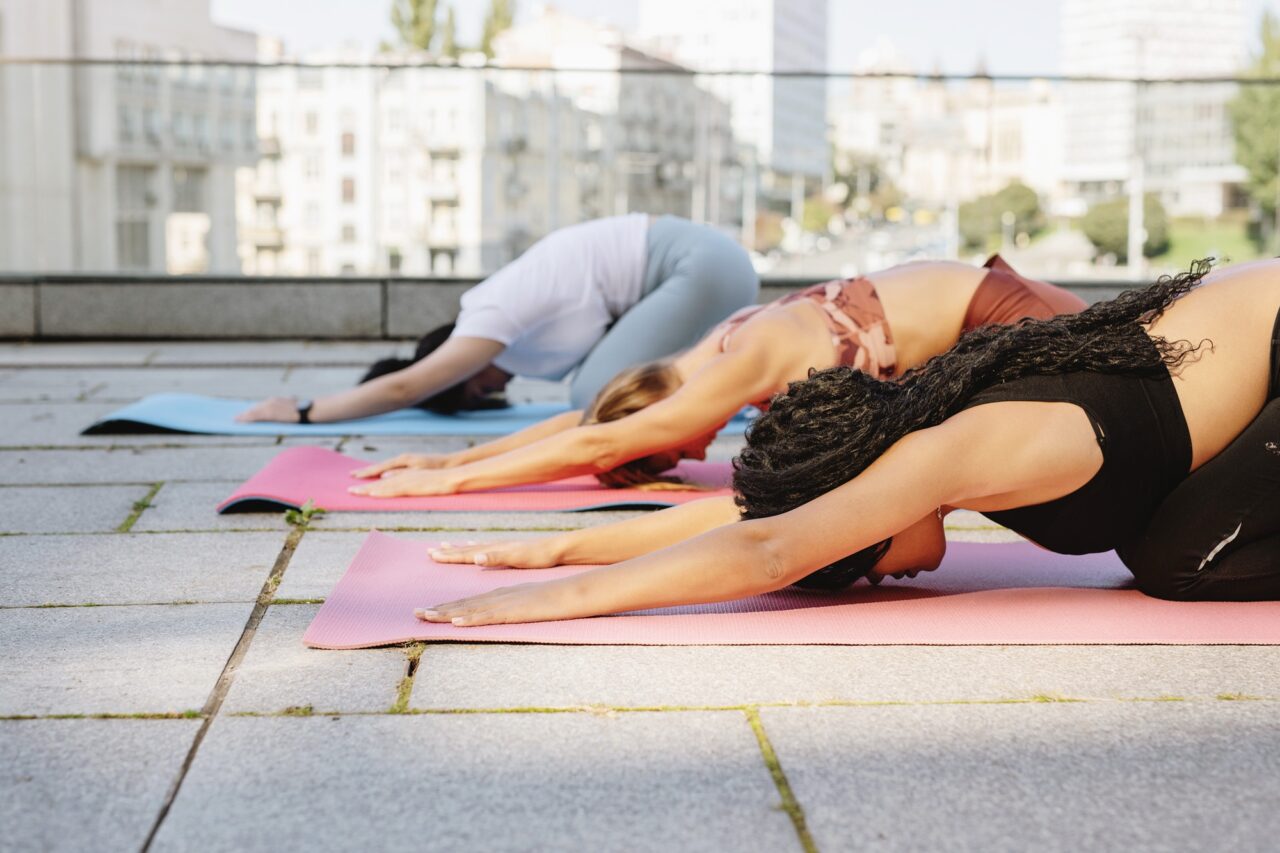
4. Yoga or Chair Yoga
There’s a style for everyone, from gentle stretching to more active flows. Try beginner videos online or find a local class. Chair yoga is excellent for limited mobility.
5. Tai Chi
Slow, flowing movements build balance and relaxation. Tai chi is recommended for stress reduction and is safe for most people.
6. Pilates
Focuses on core strength, gentle stretching, and mindful movement. Classes are widely available online and in studios.
7. Resistance Band Workouts
Add light resistance using bands for strength exercises that are easy on the joints. Try squats, bicep curls, and shoulder presses.
8. Dance
Freeform dance in your living room, or follow a low impact dance workout on YouTube. Move at your own pace and have fun. Let the music lift your mood and make exercise feel like a celebration, not a chore.
How to Start Soft Fitness and Low Impact Movements (Tips for Beginners)
- Set Tiny Goals
Start with just 10 minutes a day. Consistency matters more than intensity. - Make It Fun
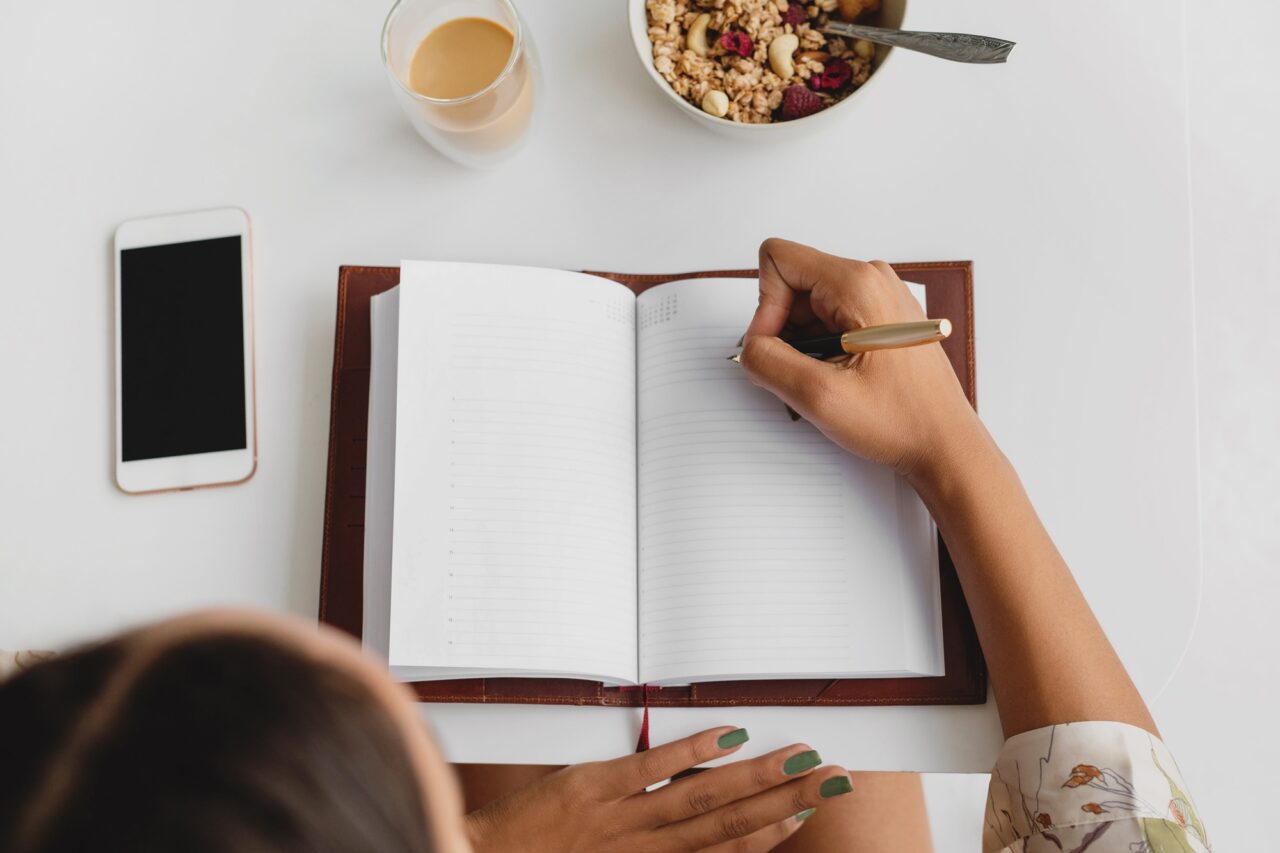
Put on uplifting music, invite a friend or family member, or try a new class at home. - Track Your Progress
Use a fitness journal or app. Record how you feel, not just numbers. - Celebrate Small Wins
Give yourself credit for any movement—walks to the mailbox count! - Mix It Up
Try different activities so you don’t get bored. Rotate walking, stretching, and home pilates. - Listen to Your Body
If something hurts, try a different move, a different pose or simply slow it down. If it doesn’t feel right, it probably isn’t right for your body. Listen and take note. Your body knows what it needs. - Remove Barriers
Keep your workout clothes handy, set reminders, or lay out your yoga mat the night before. The more prepared and organized you are, the more likely you’ll keep up with your new healthy lifestyle.
Weekly Gentle Exercise Plan for Every Lifestyle
Here’s an idea of a gentle exercise plan you can use to organize your weekly routine:
Monday: Brisk 20-minute walk + 5-minute gentle stretching
Tuesday: Beginners yoga class (online or in person)
Wednesday: Bike ride (indoors or outside) or 20-minute swim
Thursday: Tai chi video or low impact dance session
Friday: Resistance band circuits (10–15 minutes)
Saturday: Nature walk, gardening, or any fun movement
Sunday: Rest day, mindfulness meditation, or gentle stretching
Tip: Adjust this plan to fit your needs and schedule—just aim to move most days.
Low Impact Exercise for Special Situations
If You’re Recovering from Injury
Always get your doctor’s or physical therapist’s advice. Start gently and progress slowly.
For Older Adults
Gentle exercise helps prevent falls, improves circulation, and keeps joints flexible. Chair yoga, water aerobics, and walking are top choices to get started.
For Beginners
Start with the simplest forms—walking, seated exercises, or dancing at home. Don’t worry about how you look; just keep moving. Remember, movement is medicine.
For Busy Schedules
Break workouts into 5–10 minute chunks. It all adds up! March in place while watching TV or do gentle squats while waiting for your coffee. Every little bit counts.
How to Create Your Own Low Impact Routine
- Warm Up (5 minutes of light stretching to prepare yourself and prevent injury)
- Main Set (choose 4–5 exercises such as squats, modified push-ups, step touches, seated cycling, or resistance band rows)
- Do each for 30 seconds to 1 minute
- Repeat for 2–3 rounds, take breaks as needed
- Cool Down (5 minutes simple stretching or gentle yoga)
How to Make Soft Fitness and Low Impact Movements a Habit
- Schedule movement like a meeting—set a reminder on your phone.
- Join a class, either online or in your neighborhood, for community support.
- Pair movement with something you enjoy (music, audio books, podcasts).
- Set up a mini “workout corner” in your home with a mat, bands, and water bottle.
- Celebrate progress: treat yourself to new workout gear or a fun outing after a few weeks of consistency.
Common Questions about Gentle Exercise
Q: Can gentle exercise help me lose weight?
A: Yes! Research shows steady, daily movement supports weight management, especially when paired with mindful eating.
Q: Is low impact enough for my heart?
A: Absolutely. Brisk walking, swimming, cycling, and dancing all boost heart health when done regularly.
Q: Will I get stronger with soft fitness?
A: Yes—especially with resistance bands, Pilates, yoga, or water exercises. Soft doesn’t mean weak!
Q: How do I stay motivated?
A: Find activities you enjoy, celebrate your effort, mix it up, and move for how it makes you feel—not just numbers on a scale.

Extra Tips for Success
- Try “exercise snacks”—short sessions of movement throughout the day.
- Practice self-compassion; every bit counts, and some days will be lighter than others.
- Get outside when you can. Nature and natural light enhance the benefits of movement and boost happiness.
- Invite friends or join online groups to stay connected and inspired.
- Remember, small steps add up. What seems easy now will lay the foundation for better strength and flexibility ahead.
Final Thoughts
Soft fitness and low impact movements are more than just easier workouts—they are a powerful, joyful approach to lifelong wellness. You don’t need to crush yourself at the gym to get results. With gentle, consistent movement, you’ll feel better, move better, and stay active all your life.
Ready to say goodbye to punishing routines and hello to enjoyable movement? Give soft fitness a try this week, and notice the difference in your energy, mood, and confidence.
Share your gentle movement story or tips in the comments below—let’s inspire each other to move with kindness, every day.
Want more feel-good wellness and mindful living tips? Join my newsletter for a weekly dose of calm and inspiration, sent right to your inbox! Tap above and you’ll also get a FREE Holistic Health Guide as a little gift from me.